
The Workload Automation Dream Team: 75 Years of Expertise (Almost)
AT A GLANCE
- Cloud-First Strategies Dominate Enterprise Automation: Companies are prioritizing cloud-native apps. They see automation as key to cloud migration. The transition has three stages: hybrid integration, cloud automation, and full SaaS adoption.
- SaaS Offers Cost Savings, High Availability, & Scalability: Organizations are using SaaS automation to cut data center costs. It will also improve uptime and efficiency. This allows IT teams to focus on innovation, not maintenance.
- Seamless Automic SaaS Migration & Hybrid Flexibility: Automic SaaS has all the features of its on-prem solutions. This ensures an easy migration with flexible, phased approaches. It supports hybrid environments, allowing businesses to manage workloads both on-prem and in the cloud.
- The Role of Automation in Digital Transformation: Digital transformation is a continuous journey. Many organizations are updating old automation systems to keep up with new technology. SaaS Workload Automation speeds this change. It is scalable, flexible, and integrates with SAP, Airflow, and other cloud services.
FULL TEXT

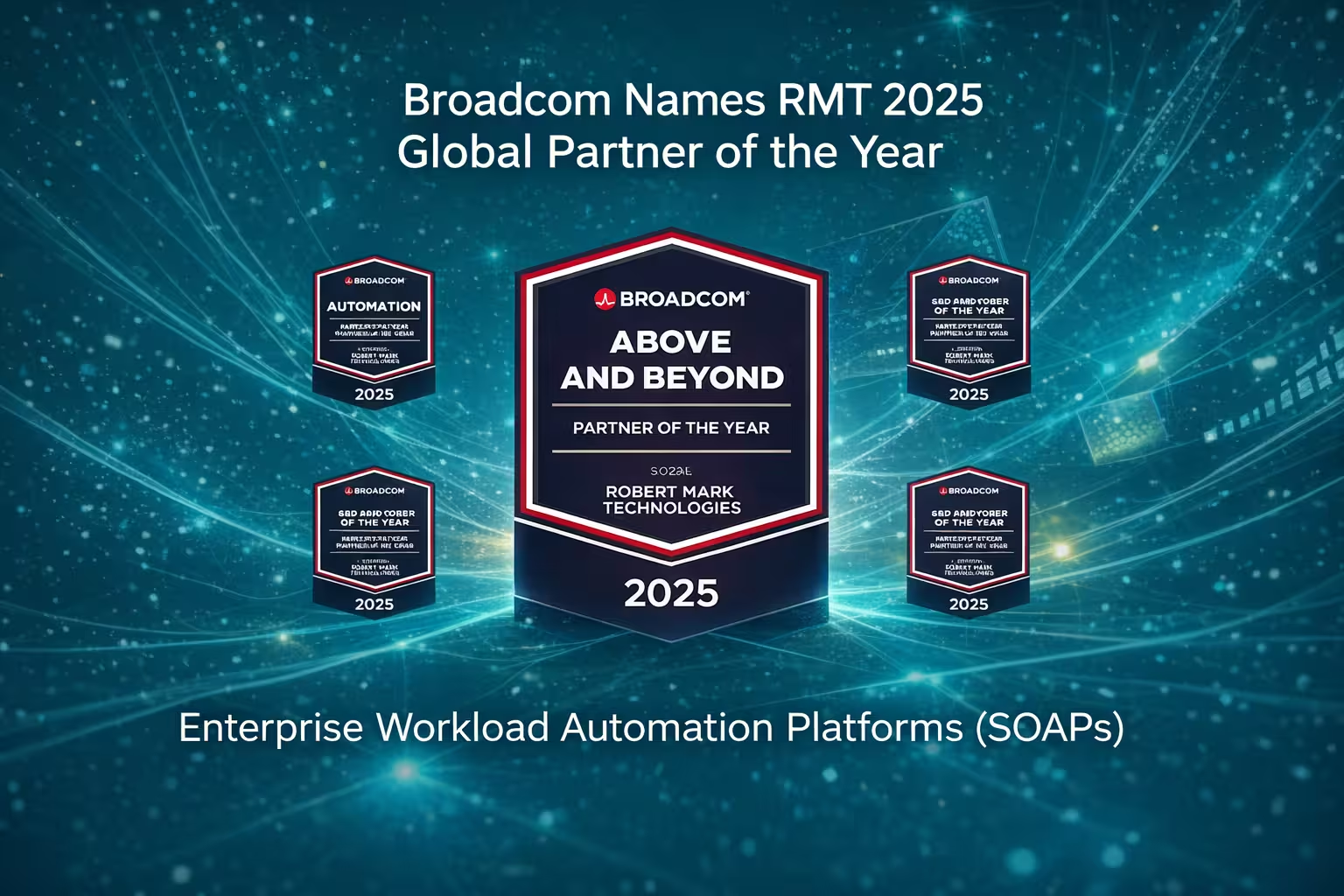
I recently joined a panel with Broadcom’s top partners, representing RMT as their Automation GEO Partner of the Year (partner of all partners) and Tier 1 Provider of Software and Services.
The event? Broadcom’s 2024 Automation Virtual Summit.
With Mark Mannion from Extra Technology and Guenther Flamm from Tricise, we were just one year shy of a combined 75 years of experience in Workload Automation.
So, what’s the secret to successful SaaS?
I’ll tell you.
Cloud-First is the New Black
The conversation made one thing clear: “cloud-first” is the mantra. Companies are prioritizing cloud solutions for new applications, and for existing ones, they’re evaluating whether moving to the cloud makes sense. But there’s a catch – automation needs to be part of the strategy.
Pro Tip: When customers ask about cloud automation, remind them that it’s like trying to make a perfect pizza. You can’t just throw toppings (apps) on without the right sauce (automation) to hold it all together.
Digital Transformation: Everyone’s Doing It, Or Redoing It – Are They Doing It Right?
Most organizations are knee-deep in digital transformation. They’re rethinking their IT infrastructure and discovering that their current workload automation solutions may not keep up with modernized applications. The pandemic hit the accelerator, pushing companies to upgrade faster, but there’s no “finish line” for modernization.

The Three Stages of Cloud Adoption: A Journey, Not a Destination
Stage 1: Keeping It Local
Companies start by integrating cloud apps with their existing on-premises systems. Think of it as dipping your toes in the cloud waters.
Stage 2: Cloud’s Got Game
The next step was moving Workload Automation to the cloud itself, because, let’s face it, who doesn’t like better integration opportunities?
Stage 3: SaaS or Bust
Now, businesses are ditching hybrid or private cloud setups and going all-in on SaaS. It’s like finally admitting you don’t need 12 streaming services – you just need the best one.

The Challenge of Isolated Genius: The 90s Called, They Want Their Cowboy Tech Back
Today’s tech experts are brilliant, but sometimes a bit too focused. It’s like the ’90s, when Unix and Windows arrived to challenge mainframes, leading to a “cowboy” approach to technology – build now, figure out governance later. The result? Fancy automations in ServiceNow or Airflow that don’t play well with others. The challenge is to unite these isolated pockets of genius and create a cohesive digital strategy.

Automation’s Eurotrip: SaaS and the SAP Cloud
In Europe, automation is playing a starring role in the cloud shift. With SAP as the leading ERP system, companies are moving SAP and Airflow systems to the SAP Cloud (S4/Hana). The next step? Making sure automation seamlessly integrates everything, whether customers go hybrid or embrace full SaaS.

Why SaaS? Let the Customers Do the Talking
1. Shrinking Data Centers:
Customers are eager to shut down data centers and move key systems to the cloud.
2. High Availability:
SaaS solutions boast robust infrastructure, meaning fewer outages and more uptime.
3. Cost Efficiency:
Avoiding on-prem maintenance isn’t just a trend; it’s a budget saver. But is it really cheaper?
4. Focus on Core Business:
Companies want to prioritize app development and faster releases. SaaS lets them offload the nitty-gritty infrastructure management.
5. IT’s New Role:
The pandemic transformed IT from a cost center to a revenue-generating powerhouse if used appropriately. With great power comes great responsibility.
6. The Retirement Factor:
Experienced IT pros are retiring. Rather than train replacements, many companies prefer SaaS to handle automation as a service.

The Smooth Ride to Automic SaaS
For Existing Automic Users:
Transitioning to Automic SaaS is like an upgrade, thanks to tools that make the switch nearly effortless.
For Newbies:
If you’re not on SaaS yet, no worries. RMT has completed over 150 successful conversions, using a proven methodology that minimizes risk.
Feature Parity:
Automic SaaS has 100% of the on-prem functionality, which is a rarity in the industry. No missing features, just pure automation goodness.
Flexible Migration:
Customers can go all-in at once or take it step by step. Either way, we’re talking days, not months, for migration.

Hybrid Setup? No Problem
No need to upgrade your on-prem system before moving to Automic SaaS. Migrate directly, even if you’re on an older version. And yes, hybrid environments are fully supported, so you can run some workloads on-prem and some via SaaS.

The Grand Finale: Why Automic SaaS?
Naturally, we wrapped up with a unanimous endorsement of Automic SaaS as a reliable, fully-featured, and battle-tested solution.
Whether you’re ready to migrate now or just exploring your options, Automic SaaS is ready to meet your automation needs with ease, so you can go forth and automate like a boss!

Get Pro Help
Whether your tool of choice is Automic or another leading solution, my team is here to help with the move to SaaS.
Say Bob sent you.