
Digital Transformation is the term we’ve been using for the last decade to describe how we modernize and automate the enterprise.
Now 2023 research from the EMA, presented at the Broadcom Virtual Automation Summit, finds that for the bulk of the market, it’s common to be the early stages of digital transformation (40%) . . . or only have a few transformation projects underway (37%).
However, of the very early adopters, 21% have a modernized, mature process and 4% of the companies in that group are already thinking about the second generation of this wave.
This made Dan Twing, EMA President & COO, wonder: what can we learn from the companies who have already transformed?
It turns out modern Workload Automation plays a surprisingly large role in the success of those with completed digital transformation projects. And companies who use their lessons learned can accelerate their own digital transformations significantly.
Workload Automation has been around for forty years. Many companies set and forgot these quiet systems while they diligently run in the background, keeping all things on time.
And although the solutions may have been forgotten on a metaphorical shelf in the Operations dept. says Twing, the solutions have been modernized each step along the way with best practices that give companies an impressive amount of automation control, and most people don’t know it.
In fact, the EMA estimates digital transformations may take 25-30% less code when companies leverage the Workload Automation tools they already have in place.
In the dynamic landscape of digital transformation, where change is the only constant, it’s fascinating to observe how workload automation and orchestration emerge as silent champions, steering organizations through the intricacies of innovation.
Contrary to assumptions that these processes would brush aside decades-old organizational pillars, the reality is quite the opposite. There’s an inherent synergy between the time-tested practices and the modernized tools driving digital evolution.
Workload Automation, a linchpin in this transformative journey, lends robust support to the very fabric of DevOps processes.
51% of organizations, leaning heavily on Workload Automation, witness a substantial boost in development speed, making it the foremost benefit on their digital transformation roadmap.
Similarly for Workload Automation, the seamless automation of code migration, environment building, and production deployment underscores the indispensable role of Workload Automation in facilitating a smooth DevOps integration.
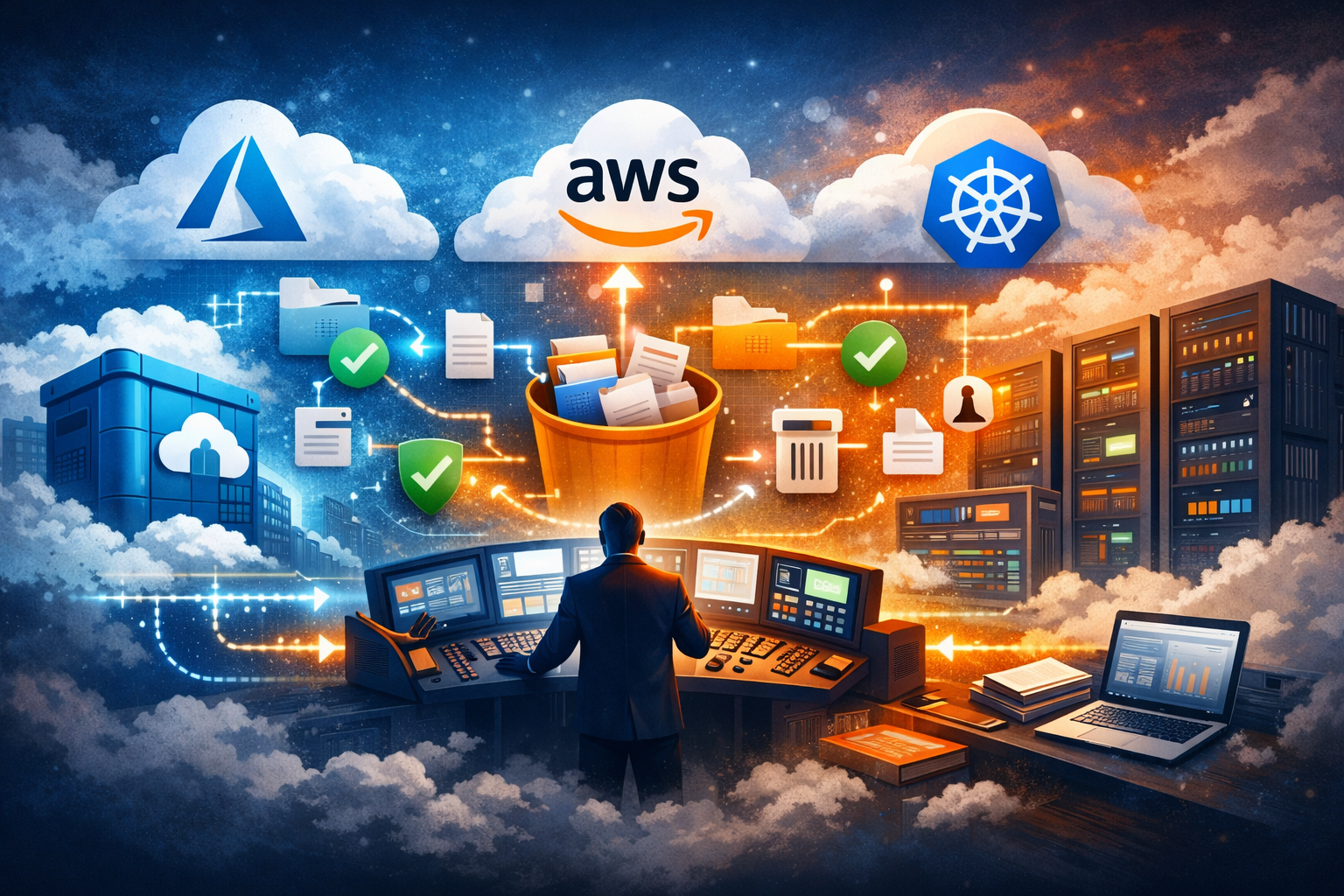
Another pivotal role that Workload Automation assumes is in the configuration of cloud infrastructures.
As processes migrate to the cloud, these tools play a crucial part in ensuring consistency across development, testing, and production environments.
Moreover, as organizations grapple with the coexistence of on-premises systems, Workload Automation steps up to streamline configuration in this traditional setting, demonstrating its versatility across diverse landscapes.
In the era of data-driven operations, the orchestration capabilities of Workload Automation tools shine.
For 39% of organizations, the orchestration of data movement, coupled with file transfer capabilities, forms a cornerstone in supporting their digital transformation journey.
This underscores the evolving role of Workload Automation beyond mere task automation, towards the orchestration of complex data flows inherent in modern digital processes.
Workload Automation has become the connective tissue, weaving together disparate capabilities within the digital transformation realm.
A notable 33% of organizations are actively leveraging Workload Automation’s orchestration capabilities to seamlessly connect processes, extending beyond the boundaries of DevOps to embrace release management automation. And as awareness increases, that number is set to jump.
This approach not only reduces redundancy but also taps into proven processes that seamlessly integrate with existing operations.
This underscores the evolving role of Workload Automation beyond mere task automation, towards the orchestration of complex data flows inherent in modern digital processes.
A striking revelation is the early realization by 27% of organizations that Workload Automation, with its end-to-end orchestration capabilities, eliminates the need to write new code.
Why reinvent the wheel when existing tools can seamlessly orchestrate processes across environments?
This not only streamlines operations but also aligns with the ethos of leveraging proven processes rather than building anew.
The power of Workload Automation extends further, with 15% of organizations recognizing its role in enabling new applications and digital transformation with reduced developer time.
By capitalizing on the orchestration capabilities inherent in Workload Automation, these organizations unlock efficiencies, allowing them to focus on innovation rather than intricate coding.
In conclusion, Workload Automation stands as an integrated force in the digital transformation landscape.
From its roots in supporting DevOps processes to its expanding role in orchestrating data flows and connecting diverse capabilities, Workload Automation emerges as a linchpin for organizations navigating the complexities of innovation.
The key takeaway from Dan Twing: as you pursue digital transformation, wise companies will leverage the existing, proven capabilities of Workload Automation to speed the process dramatically.
It’s not just about automation; it’s about intelligent orchestration.
For personalized Workload Automation help for your environment, reach out to RMT today.
Managing Workload Automation environments is all we do, and we do it well. We’re happy to help.