

AT A GLANCE
- AI Needs Guardrails For ROI: Enterprises invest in gen AI and agentic AI, but returns lag without trust, governance, RBAC, auditability, and integration with business processes. SOAP platforms provide that control and reliability.
- Two Paths To Adopt Agentic AI: Keep deterministic workflows in charge and add AI steps with Ask_AI, which Broadcom plans to make a native drag-and-drop job type soon. Or let agents call Automic through MCP so they run jobs and check status within guardrails.
- Data And Developer Wins: Orchestrate Python inside Automic to control scattered scripts, and use new integrations across Google Cloud, AWS, Azure, and Databricks. Use AI helpers like “summarize my log,” “analyze my script,” and natural-language queries. An agentless experience preview arrives for SaaS.
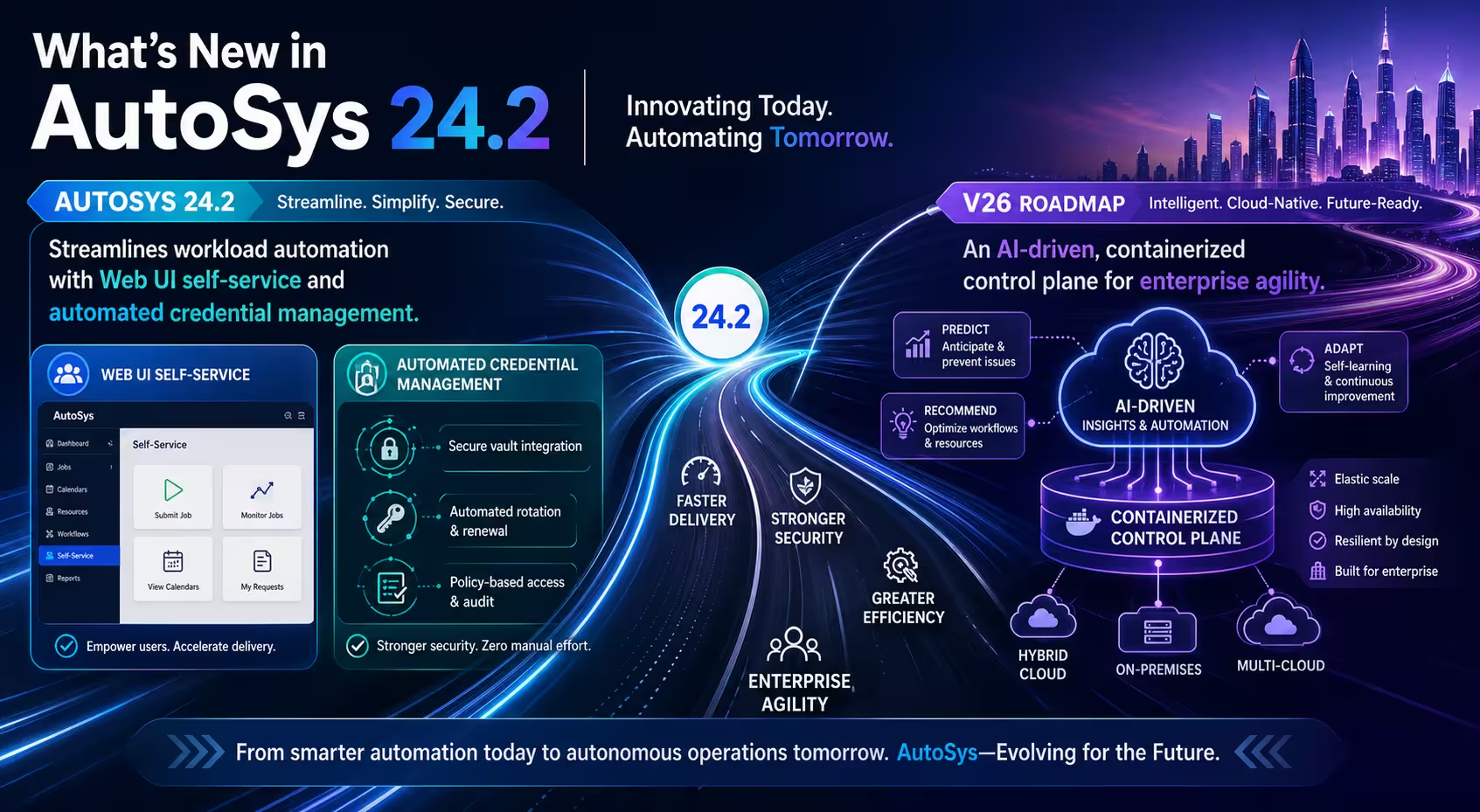
- Observability And Modernization: AAI adds NLQ insights, cross-tool root cause analysis, and a path to unified audit and compliance reporting. Autosys moves toward fully containerized deployment with a modern operator experience.
I joined Rajeev Kumar’s summit session on Agentic AI and enterprise automation, focused on how SOAP platforms bring AI into real business workflows with trust, governance, and integration.
Rajeev set the plan: share how AI intersects with enterprise automation, walk through recent capabilities, and preview what’s next, with a clear disclaimer that future directions may change at Broadcom’s discretion.
So, how do you balance reliable workflows with dynamic AI agents?
I’ll tell you.
The ROI Gap and the Governance Cure
Enterprises poured money into Gen AI and Agentic AI, yet returns lag. Less than 1% of enterprise software uses Agentic AI today, with projections to 33% by 2028, and AI could handle 15% of day-to-day work decisions.

Leaders also reportedly spent around $2M last year while fewer than 30% say CEOs feel satisfied with ROI.
The reason stays simple and stubborn: AI on its own is not enough. It needs trust, it needs governance, and real integration into business processes.
So the cure starts with control. Keep mission-critical workflows deterministic and insert AI where it adds value, so the workflow remains the boss. Add steps for enrichment, fraud detection, or PII scans without disrupting SLAs.
Then, when agentic use cases make sense, let agents act through the automation platform rather than touching systems of record directly. That approach preserves auditability, RBAC, monitoring, and governance.
Workload automation platforms provide the toolbox and the guardrails. They supply the tools agents need to take action and the policy layer leaders need to trust outcomes. Use that foundation to close the spend-to-value gap and turn AI from experiments into reliable operations.
Platform Capabilities That Close the Gap
Automic adds AI where workflows gain value and keeps control where reliability matters.
Teams can use “Ask_AI” inside deterministic jobs today, with a native drag and drop job type planned in the next few months.
For agentic use cases, an MCP server will let agents call Automic to run jobs, check statuses, view schedules, and respect guardrails.
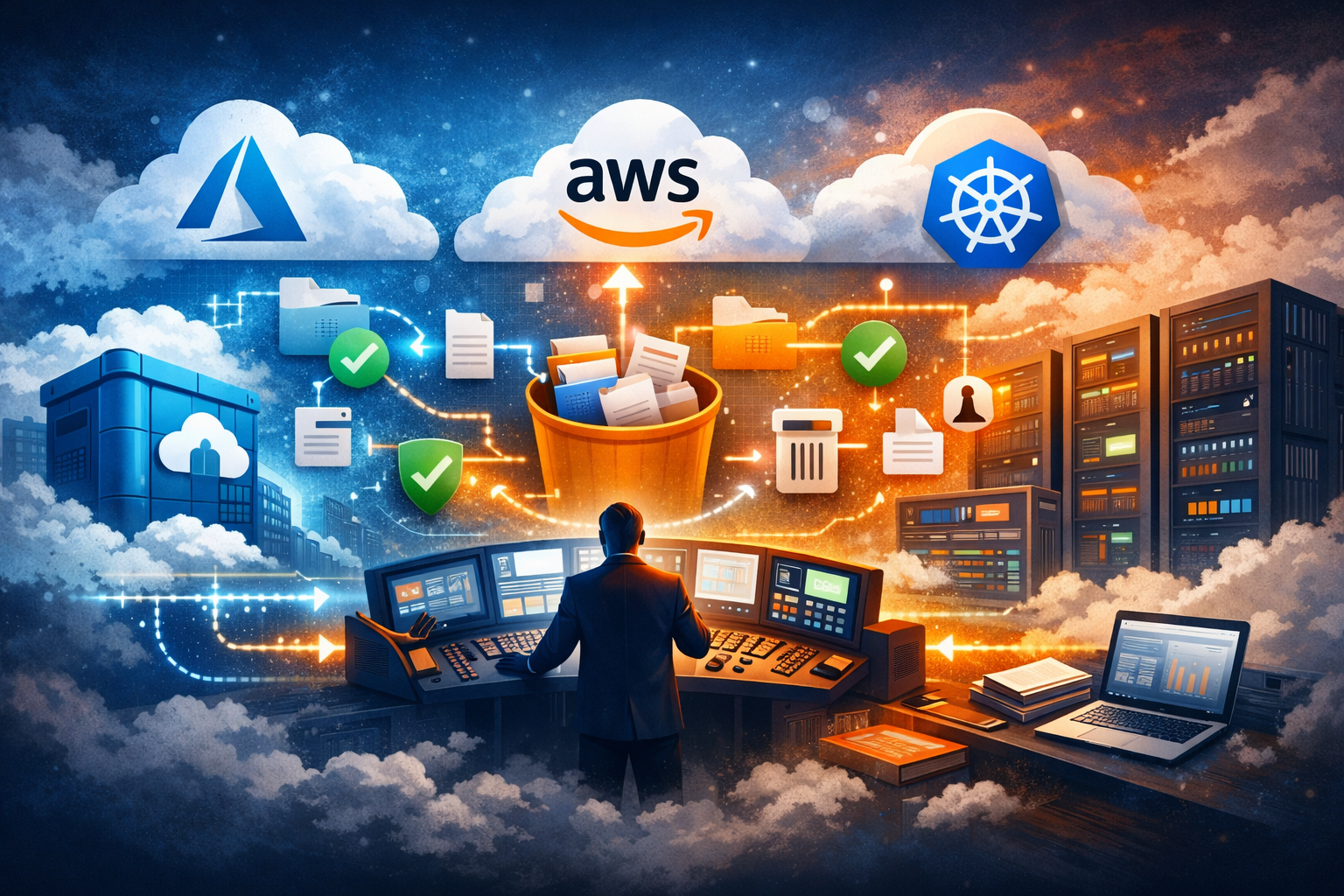
Choice stays with the customer. Teams can bring preferred models, apply their rules, and use one common AI integration architecture across Automic, AutoSys, and AAI. Data pipelines stay governed by orchestrating Python inside workflows and by using new integrations across Google Cloud, AWS, Azure data analytics services, and Databricks.
User experience advances in parallel. Features include “analyze my script,” “summarize my log,” natural language queries, and an interactive help assistant. An agentless experience preview lands first for SaaS, with an Automic SaaS trial in progress.
Data Foundations Make or Break AI
AI falls apart on bad data. Data pipelines, ETLs, and file transfers often sprawl across too many tools and scattered Python scripts, which leads to stale inputs and weak decisions.
The fix starts in the automation layer: Automic now orchestrates Python inside workflows so scripts run with monitoring, governance, and the same controls as any job. No more Python byte bits.
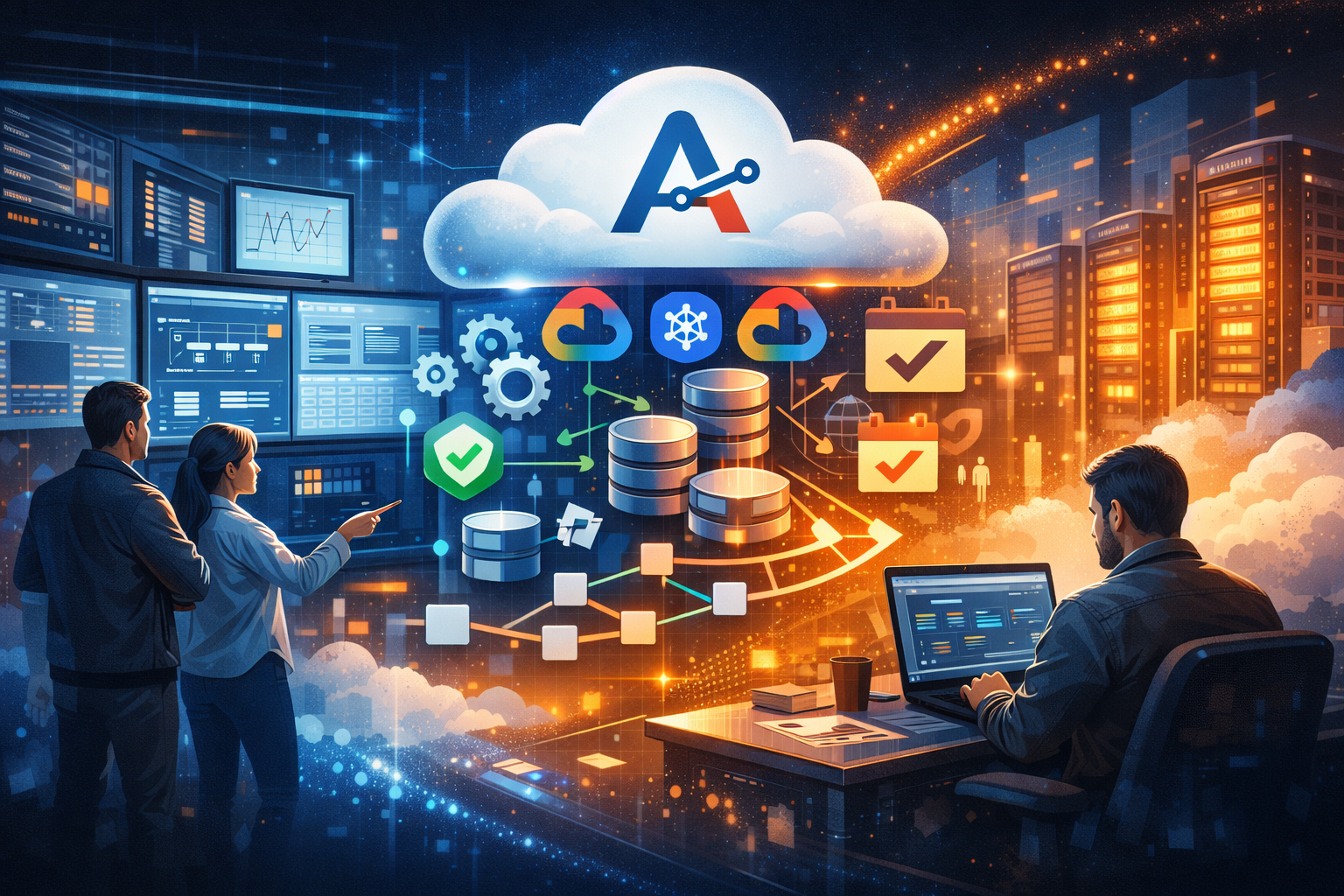
Next, bring the data stack under one roof. Automic adds integrations across Google Cloud, AWS, Azure Data Analytics Services, and Databricks, so teams can schedule and orchestrate these pipelines directly inside the platform. That improves reliability and keeps AI grounded in trustworthy inputs.
To speed delivery, an agentless experience is on the way. Build, test, and run workflows without touching agent deployment, with a preview coming to SaaS customers in a few weeks’ time.
Observability Becomes Strategic Governance
Observability moves from dashboards to decision support. AAI spans multiple tools and vendors to give a single pane of glass for runtime workflows, and the team is adding a fresh data foundation plus a common AI integration stack.
That enables natural-language questions like “why did the workflow fail?” and “summarize the highest number of failures this week,” with faster answers and clearer remediation paths.
Next, multi-tool root cause analysis comes into play: with AI and MCP-driven interactions, RCA can run from one observability layer instead of hopping across apps, databases, or networks. COE teams also gain a path toward unified audit and compliance reporting across automation platforms.
The outcome ties back to SLAs: SLA-aware visibility, auditability, and control end to end.
How RMT Accelerates the Journey
Let’s turn this into action. My team will scope your first Ask_AI use cases, stand up an MCP pilot, and prepare ops for the agentless preview so value lands fast.
Book a free AI-Orchestrated Automation Readiness session.
Just say Bob sent you.